Diplo deadlock in Anchorage leaves Zelensky & DC policy elite as sole winners
August 16, 2025|4 min read
Comments
Continue Reading
Continue Reading
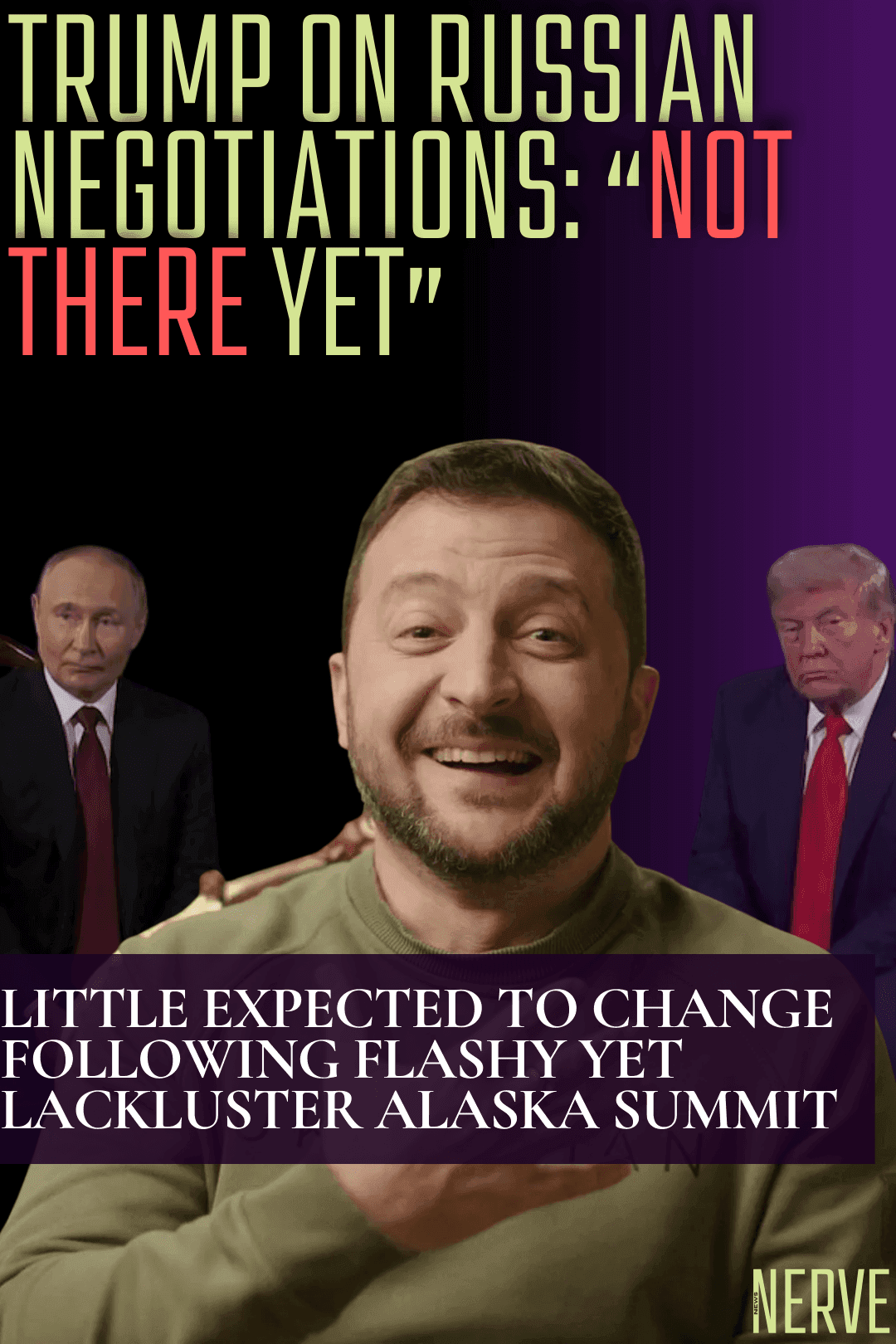
The failure of the Trump-Putin Alaska summit to produce concrete results represents a strategic victory for Washington’s foreign policy establishment and defense contractors, despite superficial appearances of diplomatic stagnation.
The much-anticipated Anchorage meeting concluded with Putin claiming vague “agreements” while Trump admitted “there’s no deal until there’s a deal.” With both displays amounting to a diplomatic non-result that actually strengthens Ukrainian sovereignty and NATO cohesion in several critical ways, the outcome spells trouble for those hoping to see a wind-down of hostilities.
The summit’s most significant outcome was validating the hardline positions advocated by Washington’s foreign policy elite. The failure to reach any agreement vindicates those who frame all region matters through a lens of Russian intransigence.
The summit’s failure illuminates Putin’s unwillingness to make genuine compromises, despite Russia’s mounting economic and military pressures. Putin’s insistence that Russia’s “legitimate concerns” and the “primary roots” of the conflict must be addressed effectively means accepting Russian pretexts for aggression – an impossible foundation for sustainable peace.
Putin’s warning that Ukraine and European allies should not “throw a wrench in the works” reveals Moscow’s expectations about the evolving dynamic between Trump and his European counterparts.
The diplomatic deadlock reinforces the centrality of Washington foreign policy institutions in shaping Ukraine strategy. Organizations like the Atlantic Council, Center for Strategic and International Studies, and Brookings Institution are activated and sustained by donor networks with vested interests in this conflict.
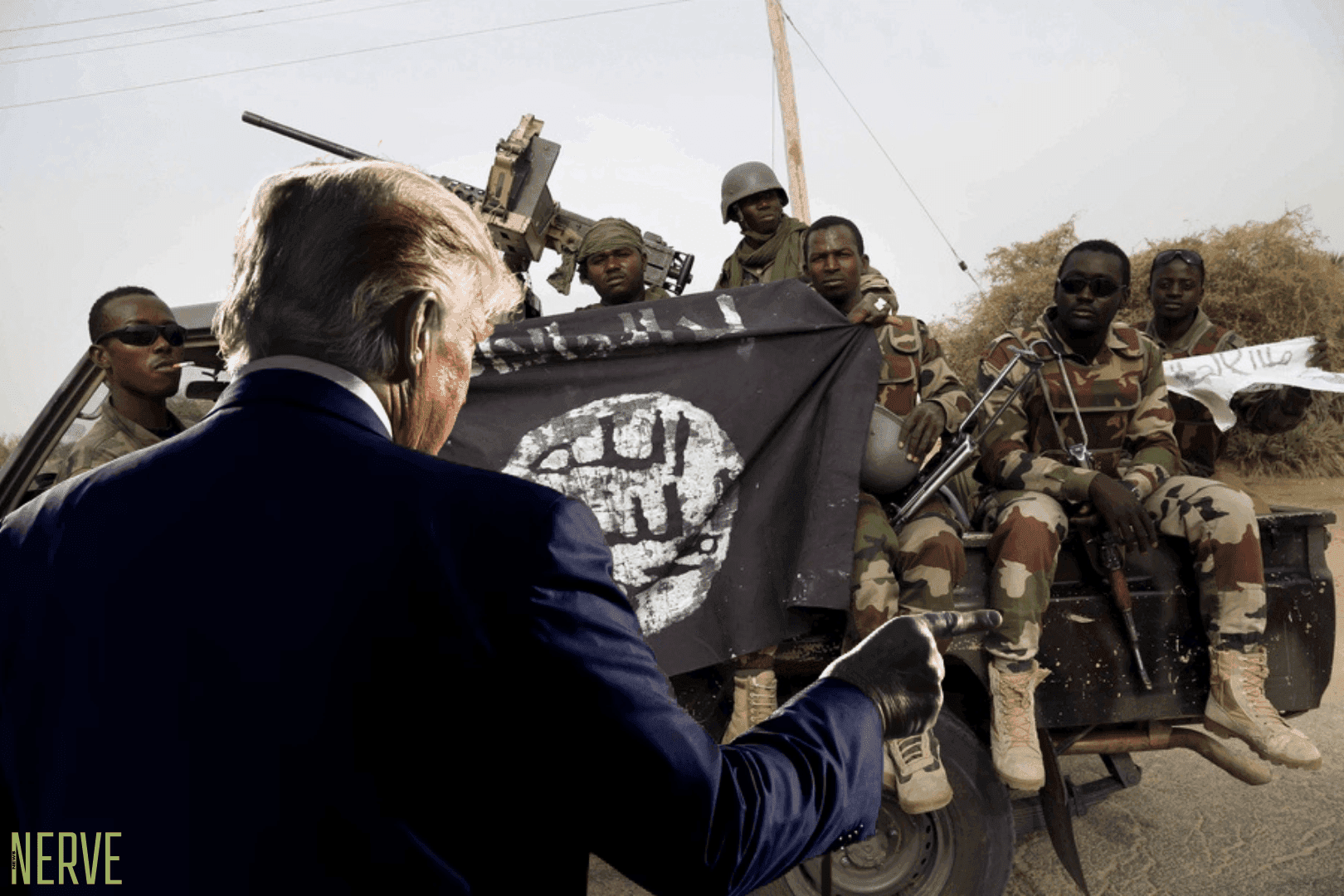
These networks opted to sell this war to the American public with the same stale “freedom & democracy” rhetoric that propelled policy architects through the Cold War but lost steam following the Global War on Terror’s disastrous effort at nation building. This was a strategic failure as Nerve.News had previously lamented:
The brutal reality underlying American involvement in Ukraine was never humanitarian concern for Ukrainian sovereignty, but rather the calculated utilization of Ukraine as an expendable buffer state designed to inflict maximum casualties on Russian forces while minimizing direct American losses. This strategy, reminiscent of Cold War proxy conflicts, treated Ukrainian territory as an acceptable battlefield for grinding down Russian military capacity through sustained attrition warfare. The military-industrial complex and foreign policy establishment viewed Ukrainian resistance not as noble self-determination, but as a convenient mechanism for degrading a geopolitical rival using Ukrainian blood rather than American lives. Trump’s willingness to end this cynical meat-grinder operation—which has consumed hundreds of thousands of lives while enriching defense contractors—represents a rejection of the amoral realpolitik that sacrifices foreign populations for abstract strategic objectives disconnected from genuine American security needs.
The failure ensures continued reliance on expert analysis and policy recommendations from these institutions, maintaining their influence over both congressional appropriations and executive branch decision-making. Trump’s commitment to consult with allies effectively means continued consultation with the very think tank networks that staff administrations and brief lawmakers.
The absence of a deal ensures continued high-level military spending and arms transfers that benefit major defense contractors. Companies like Lockheed Martin, Raytheon, and General Dynamics have seen substantial revenue increases from Ukraine-related contracts and accelerated weapons production timelines.
The summit’s timing – as Russian forces continued attacking Ukraine even during the talks – provides perfect justification for sustained military aid packages and defense appropriations. The failure maintains the narrative that only continued military pressure can eventually produce favorable negotiating conditions, ensuring years more of lucrative defense contracts.
While the Alaska summit produced no breakthrough, its failure serves the Washington foreign policy establishment and defense industry by preserving institutional relevance, maintaining lucrative contract flows, and keeping think tank expertise central to policy formation. The continued deadlock ensures that the very institutions and corporations that have built business models around sustained conflict remain indispensable.
For DC insiders, the summit’s ultimate success lies not in achieving peace, but in preserving the policy infrastructure that generates influence without any semblance of will to wield and deploy it.