Skip to content
NERVE.NEWS
TodayStoriesWinners & LosersForecasts
Auto
Set the atmosphere

Scenery follows the section you’re exploring.

Subscribe

Explore Nerve

Desks & tools

The briefingStory hubsForecastsPrimersLiveblogWinners & LosersSearchSaved storiesDataWires

Categories

All categories →PoliticsEconomyForeign AffairsDefense & SecurityImmigration & BorderMedia & TechCulture & SocietyLaw & JusticeEducationDaily RoundupNewsroom
Subscribe to Nerve
Higher contrast, reduced visual effects, and simplified popups. Your choice is saved for this browser.
TodayBriefingSaved
Back to the briefingBriefingNERVE.NEWS
Loading the next story…

The Nerve Briefing

Power, culture, technology, and the world taking shape — when we publish. Subscribe →

NERVE.NEWS

A clear view of a changing world. Reporting and ideas with an American perspective.

Coverage

  • Economy
  • Foreign Affairs
  • Politics
  • Media & Tech
  • Culture & Society
  • Opinion
  • All sections
  • Wires
  • Forecasts

Resources

  • Primers
  • Policy Papers
  • Newsletter
  • RSS — All articles
  • RSS — Wires
  • Data
  • The briefing

Publication

  • Subscribe
  • Winners & Losers
  • Editorial Policy
  • About
© 2026 Nerve News. All rights reserved.
EthicsPrivacyAbout
3 min left
0%

Reading controls

Reading Progress0%
Time remaining3 min
Total reading time3 min
Focus modeDims surrounding paragraphs
Nerve Pulse: Executive Agreements v. Treaties
Home/Politics/Nerve Pulse: Executive Agreements v. Treaties

Politics

Nerve Pulse: Executive Agreements v. Treaties

August 1, 2025|3 min read

Comments

In this article

0%

Editorial note

Continue Reading

Nevada Stakeholders question Gunter record, residency, and MAGA support
Politics

Nevada Stakeholders question Gunter record, residency, and MAGA support

No, American Nationalists should NOT support Nationalism in Europe
Politics

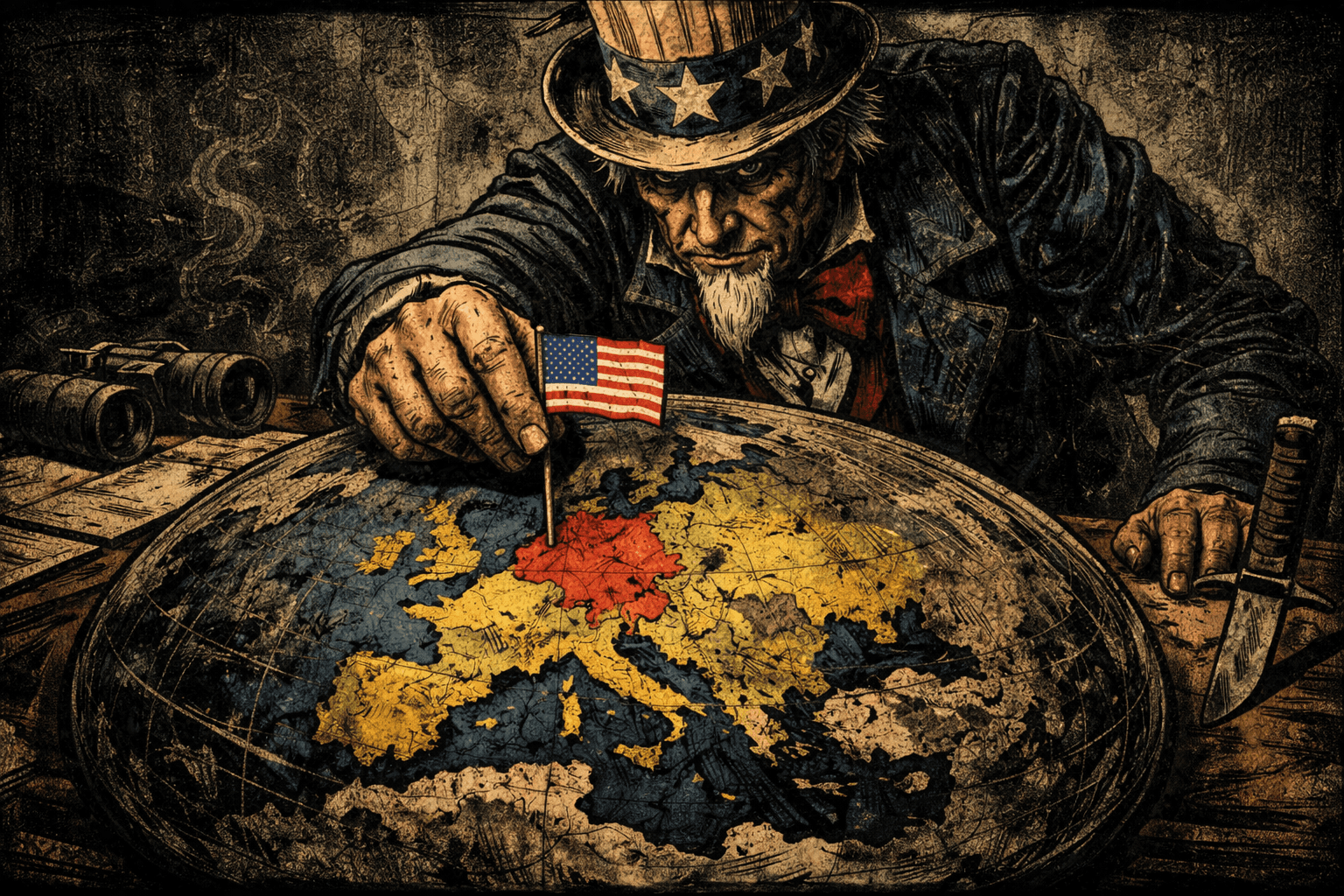
No, American Nationalists should NOT support Nationalism in Europe

Javier Milei avoided registering his Middle East advocacy organization under FARA, and he probably should have.
Politics

Javier Milei avoided registering his Middle East advocacy organization under FARA, and he probably should have.

Trump Responds: If Carlson wants to interview Nick Fuentes, ‘get the word out’
Politics

Trump Responds: If Carlson wants to interview Nick Fuentes, ‘get the word out’

When conducting diplomacy, American presidents have two primary mechanisms for entering into binding agreements with foreign nations: treaties and executive agreements. While both create legally binding obligations, they differ significantly in their domestic approval processes, constitutional requirements, and political implications.

What Are Treaties?

Treaties are formal agreements between nations that, under US law, require approval by a two-thirds majority of the Senate. Article II, Section 2 of the Constitution grants the President the power to “make Treaties, provided two-thirds of the Senators present concur.” This high threshold reflects the founders’ intention that treaties should represent a broad national consensus on significant international commitments.

Examples of major treaties include:

  • The North Atlantic Treaty (1949), which established NATO
  • The Strategic Arms Reduction Treaty (START) with Russia
  • The United Nations Charter (1945)

What Are Executive Agreements?

Executive agreements are international agreements made by the President that do not require Senate approval. These agreements derive their authority from the President’s constitutional powers in foreign affairs, existing legislation, or prior treaties. While they don’t require legislative approval, they carry the same binding force in international law as treaties.

Notable executive agreements include:

  • The Paris Climate Agreement (2015)
  • Various trade agreements under fast-track authority
  • Military base agreements with allied nations

Permanence and Succession

Treaties typically create more durable international commitments. Subsequent presidents face greater political and diplomatic costs when withdrawing from treaties, as seen with the prolonged process of leaving the Intermediate-Range Nuclear Forces Treaty. Executive agreements, conversely, can be more easily modified or terminated by succeeding administrations, as demonstrated when President Trump withdrew from the Paris Climate Agreement.

Controversy Over Executive Expansion

The fundamental controversy revolves around how broadly presidents can interpret their executive agreement authority. Critics argue that the massive expansion of executive agreements (now outnumbering treaties by roughly 10:1) effectively circumvents the Senate’s constitutional “advice and consent” role. Supporters contend that modern diplomacy requires this flexibility.

Attempts To Regulate Executive Agreements

The State Department’s Circular 175 Procedure

The most systematic attempt to create a “litmus test” is the State Department’s Circular 175 Procedure, established in 1955 and codified in the Foreign Affairs Manual. This sets forth eight specific factors that State Department lawyers must consider when determining whether an agreement should be a treaty or executive agreement:

  1. The extent to which the agreement involves commitments or risks affecting the nation as a whole
  2. Whether the agreement is intended to affect State laws
  3. Whether the agreement can be given effect without the enactment of subsequent legislation by Congress
  4. Past U.S. practice as to similar agreements
  5. The preference of Congress as to a particular type of agreement
  6. The degree of formality desired for an agreement
  7. The proposed duration of the agreement, the need for prompt conclusion, and the desirability of concluding a routine or short-term agreement
  8. The general international practice as to similar agreements

However, this process is largely internal and secretive, and the State Department does not publish its legal reasoning with respect to the C-175 factors.

The Case Act (1972)

Congress passed the Case Act of 1972, requiring the secretary of state to send to Congress within sixty days the text of “any international agreement, other than a treaty,” to which the United States is a party.