YouTube’s update signals that they don’t want you finding news they haven’t approved
January 10, 2026|4 min read
YouTube has quietly removed one of the most useful features for users who actually want to control what they watch: the ability to sort search results by upload date.
The change, first flagged by journalist Chris Menahan, eliminates the primary method users had for discovering breaking news and fresh content from smaller channels before the algorithm decided whether to bless it with visibility.
YouTube (@TeamYouTube) has removed the ability to search by upload date. Removing this basic function will make it impossible to find breaking news from small channels with few viewers. Evidently, force-feeding people "curated" slop is more important than site usability. pic.twitter.com/W5LJgjDuZK — Chris Menahan 🇺🇸 (@infolibnews) January 9, 2026
View post on X ↗The platform’s official response to the backlash was a masterclass in corporate doublespeak.
“You can still use our Upload Date filters (Today, This Week, This Month, or This Year) to find the most recent results within your search,” TeamYouTube wrote on X. “We’ve only removed the option to *sort* search results by upload date as part of this update.”
You can still use our Upload Date filters (Today, This Week, This Month, or This Year) to find the most recent results within your search. We've only removed the option to *sort* search results by upload date as a part of this update — TeamYouTube (@TeamYouTube) January 9, 2026
View post on X ↗Read that again.
They’re telling you that removing the sort function doesn’t affect your ability to find recent uploads, which is exactly what the sort function existed to do.
Filtering results to “Today” and then having YouTube’s algorithm decide which of today’s videos you see is not the same as sorting by most recent. One gives you control. The other gives YouTube control. They know exactly what they’ve done and they think you are an utter moron who will fall for their garbage.
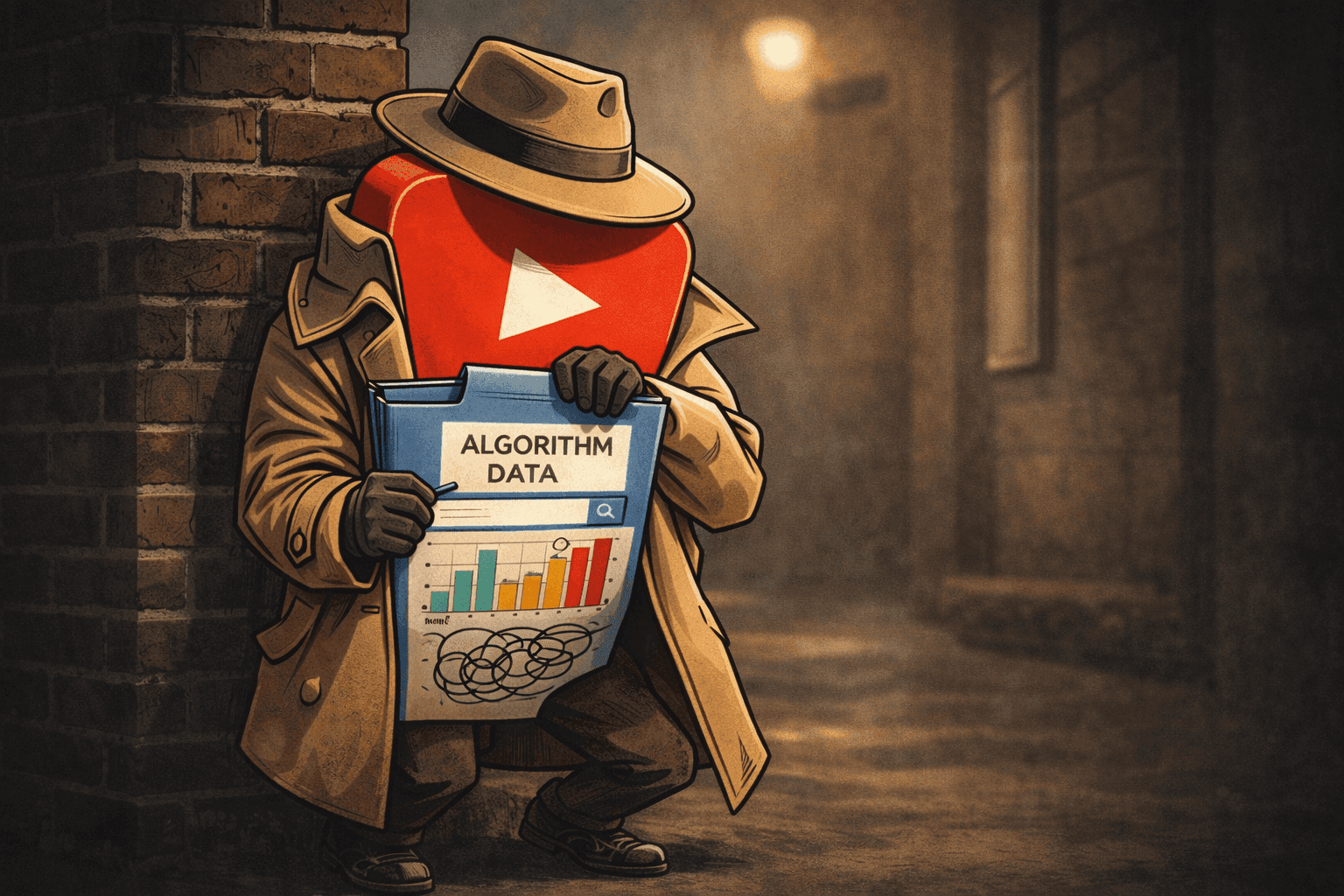
This isn’t a bug fix or a UI cleanup. This is a deliberate architectural decision to force users into algorithmic curation.
When you can sort by upload date, you can find the video posted three minutes ago by a channel with 400 subscribers covering a breaking story.
When you can only filter by “Today” and let YouTube rank the results by “Relevance” (their word for “whatever we want you to watch, rube”) that 400-subscriber channel disappears beneath fifteen pages of videos from CNN, NBC, and whatever influencer has paid for promotion.
The incentive structure here is obvious. YouTube’s business model depends on maximizing watch time on content they can monetize and control.
A user who can sort by upload date might watch a video that hasn’t been reviewed, demonetized, or buried.
They might encounter information that hasn’t been blessed by YouTube’s “authoritative sources” framework, which systematically privileges legacy media outlets over independent journalism.
The pattern of platform “updates” that coincidentally reduce user autonomy while increasing algorithmic control has become undeniable.
Every change follows the same template: remove a feature that lets users find what they want, replace it with a system that shows them what the platform wants, then gaslight anyone who notices by claiming the functionality still exists in a degraded form.
Menahan put it well: “Removing this basic function will make it impossible to find breaking news from small channels with few viewers. Evidently, force-feeding people ‘curated’ slop is more important than site usability.” That’s exactly right. The product isn’t the search function—you are. And YouTube has decided that letting you choose what to watch is bad for their product.
What’s the solution? There isn’t one within YouTube’s ecosystem, which is the point. The era of YouTube as a neutral hosting platform ended years ago. This is just another brick in the wall.
For users who want actual control over their information diet, the message is clear: you won’t find it on platforms whose profit model depends on controlling your attention.
These platforms aren’t serving you; you are being served.